Skip to content



Brand spotlight
Meet Mopepe: the African fashion house where every garment carries a continent's story
The Gatherer · Sustainable Womenswear
There is a moment, when you hold a piece of Mopepe clothing, where you feel that something more than a designer's hand has been at work. The weight of the cloth, the precision of the pattern, the quiet confidence of the cut — it speaks of a lineage. Of weavers in Burkina Faso working narrow-strip looms. Of artisans in Côte d'Ivoire following techniques handed down across generations. Of women whose skill has shaped culture, ceremony and community long before fashion existed as an industry.
Mopepe was founded by designers from Benin and Congo with a single, clear conviction: that Africa's textile heritage is not a reference point to borrow from, but a living tradition to champion, invest in, and bring to the world on its own terms.
Heritage as design language
The brand's name itself carries meaning — and so does every fabric it works with. Mopepe's collections are built around some of West Africa's most significant handwoven and hand-finished textiles, each with its own history, symbolism and geography.
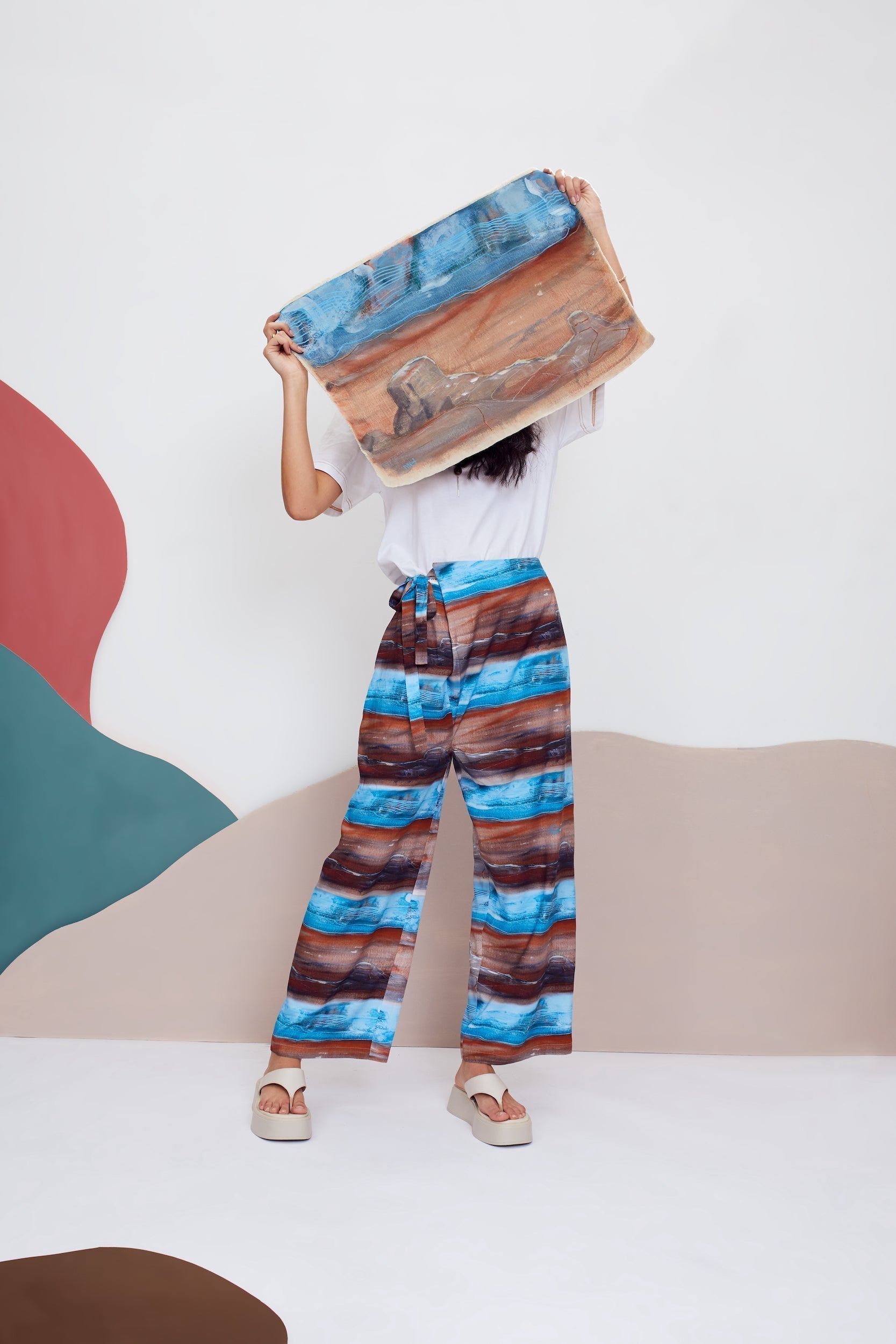
Dan Fani, from Burkina Faso, is woven in narrow strips that are joined to form cloth of striking linear patterns and bold contrasting colour. Once a symbol of post-colonial resistance and national pride, it remains a potent expression of identity today. At Mopepe, it brings structure and cultural depth to dresses, kaftans and kimonos.
Baoulé cloth, from Côte d'Ivoire, is the work of the Akan people — geometric, rhythmic, and dyed in deep natural indigos. Each length is woven strip by strip on wooden looms, then stitched together with the kind of precision and patience that industrial production simply cannot replicate. In Mopepe's hands, it finds its way into contemporary silhouettes without losing a thread of its original power.
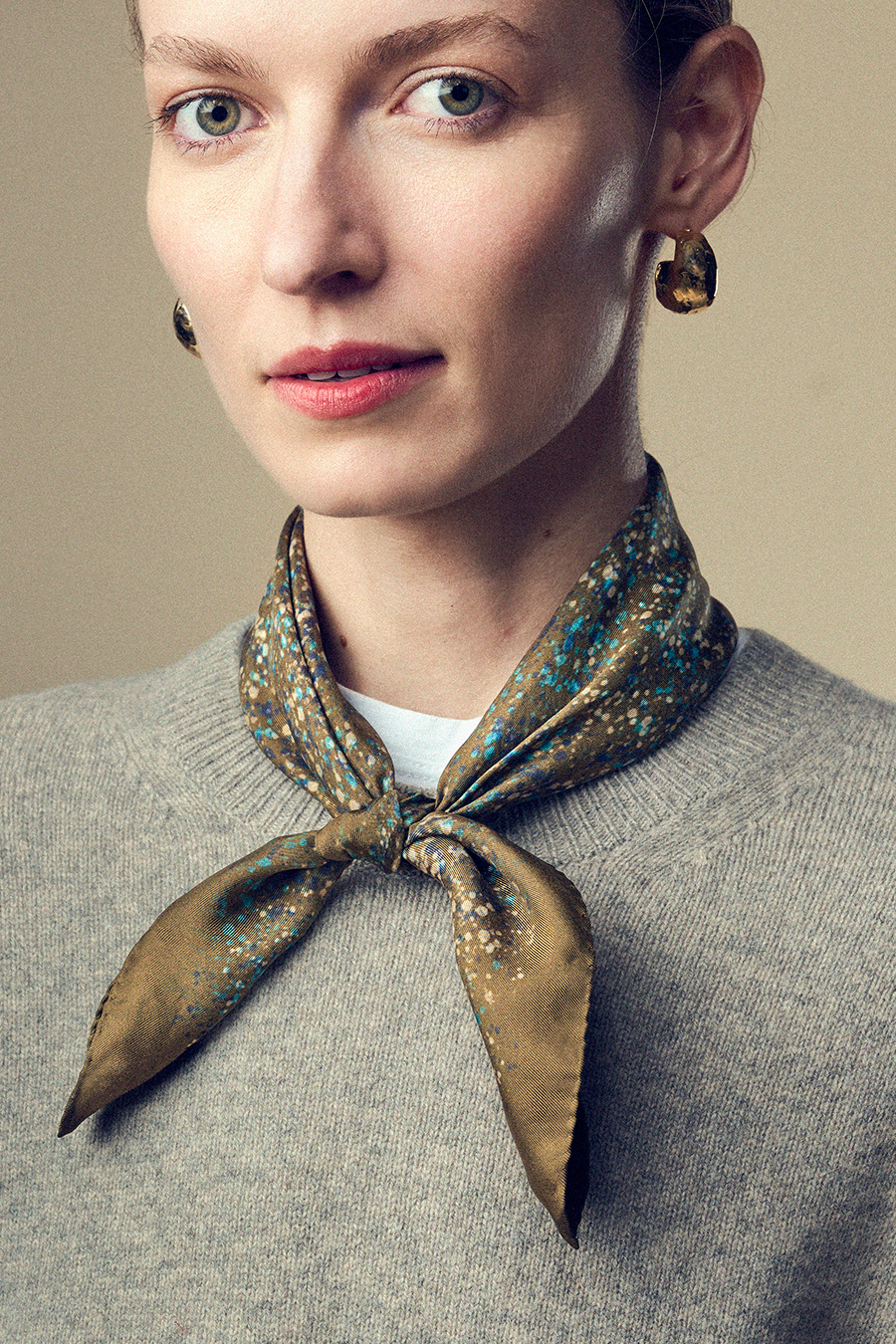
Hand block-printed silk adds another layer of artistry. Each print begins as a hand-drawn design, carved into a wooden block, and stamped directly onto silk — slowly, deliberately, and slightly differently each time. No two pieces are identical. It's a process that demands skill and rewards the wearer with something genuinely one of a kind.
The women behind the work
At the heart of Mopepe is a commitment to the women who make it possible. The brand works directly with women-led cooperatives across Africa, ensuring that traditional skills are not only preserved but properly recognised and economically rewarded. This isn't a footnote in the brand's story — it's the reason for it. The founders understand that the techniques woven into their garments belong to communities, and that those communities deserve to be the primary beneficiaries of their craft reaching a global audience.
Designed in Kenya and produced through intentional collaboration across the continent, Mopepe is fashion as an act of solidarity as much as creativity.
Wearing it lightly
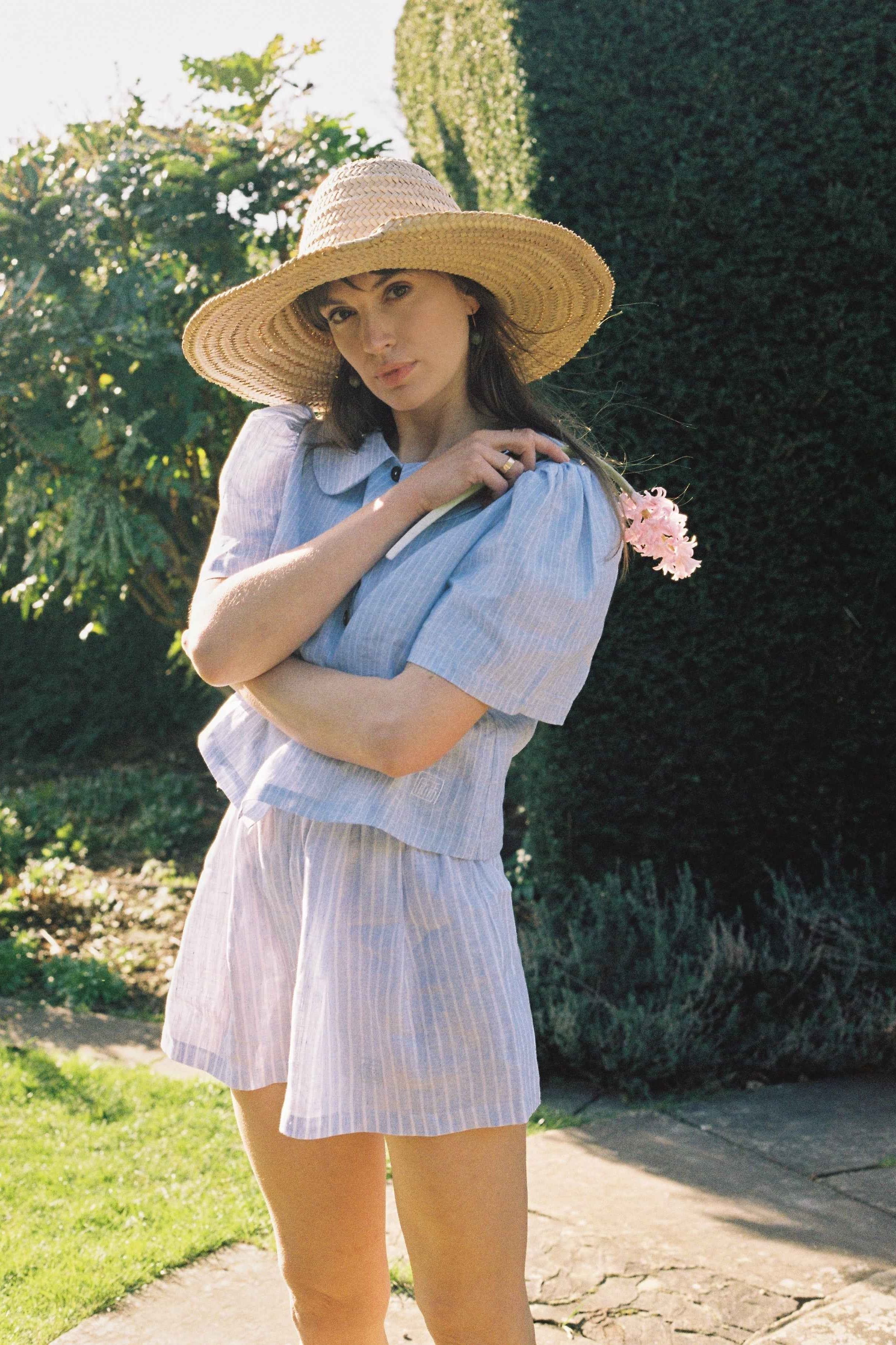
Sustainability at Mopepe runs through every stage of production. Handwoven fabrics require no electricity to make. Natural fibres — cotton, linen, silk — are chosen as much for their environmental credentials as their beauty. The swimwear line takes things further still, using recycled polyester transformed from plastic waste and printed with vibrant African wax-print-inspired patterns using low-impact sublimation techniques.
The brand produces in limited runs, deliberately. These are pieces made to be collected, worn with meaning, and kept for years — the opposite of the disposable.
Garments as narrative
Browse the Mopepe collection and you'll notice that the pieces have names — Makeda, Moremi, Aminatu, Zafira. Each one a reference point, a nod to a figure, a culture, a place. The clothing is never neutral. It asks you to notice the cloth, to ask where it came from, to know a little more about the hands and the history behind it.
In a fashion world that too often mines other cultures for aesthetic value without giving anything back, Mopepe does the opposite. It puts Africa — its craft traditions, its weavers, its designers — at the centre of the story, exactly where they belong.